Tickford Ltd
Newport Pagnell coachbuilder descended from Salmons & Sons, famous for the wind-up Tickford drophead hood of 1925 and, from 1948 to 1951, for building the very first Land Rover Station Wagon on the 80-inch Series I chassis. The Tickford Street works later became Aston Martin's factory.
History
Coachbuilding began at Newport Pagnell, Buckinghamshire, on the grounds of the former Tickford Abbey, in the 1820s; the firm became Salmons & Sons under Joseph Salmons, who brought his sons into the business in 1869. Accounts of the exact starting date differ — the Tickford Owners Club dates the business from 1820 and the Salmons name from about 1830, Grace's Guide gives 1830, and Wikipedia simply says the 1820s. From about 1898 the company turned from horse-drawn carriages to motor bodies, employing 300 people by 1914 and some 450 by the late 1930s, turning out around thirty bodies a week.
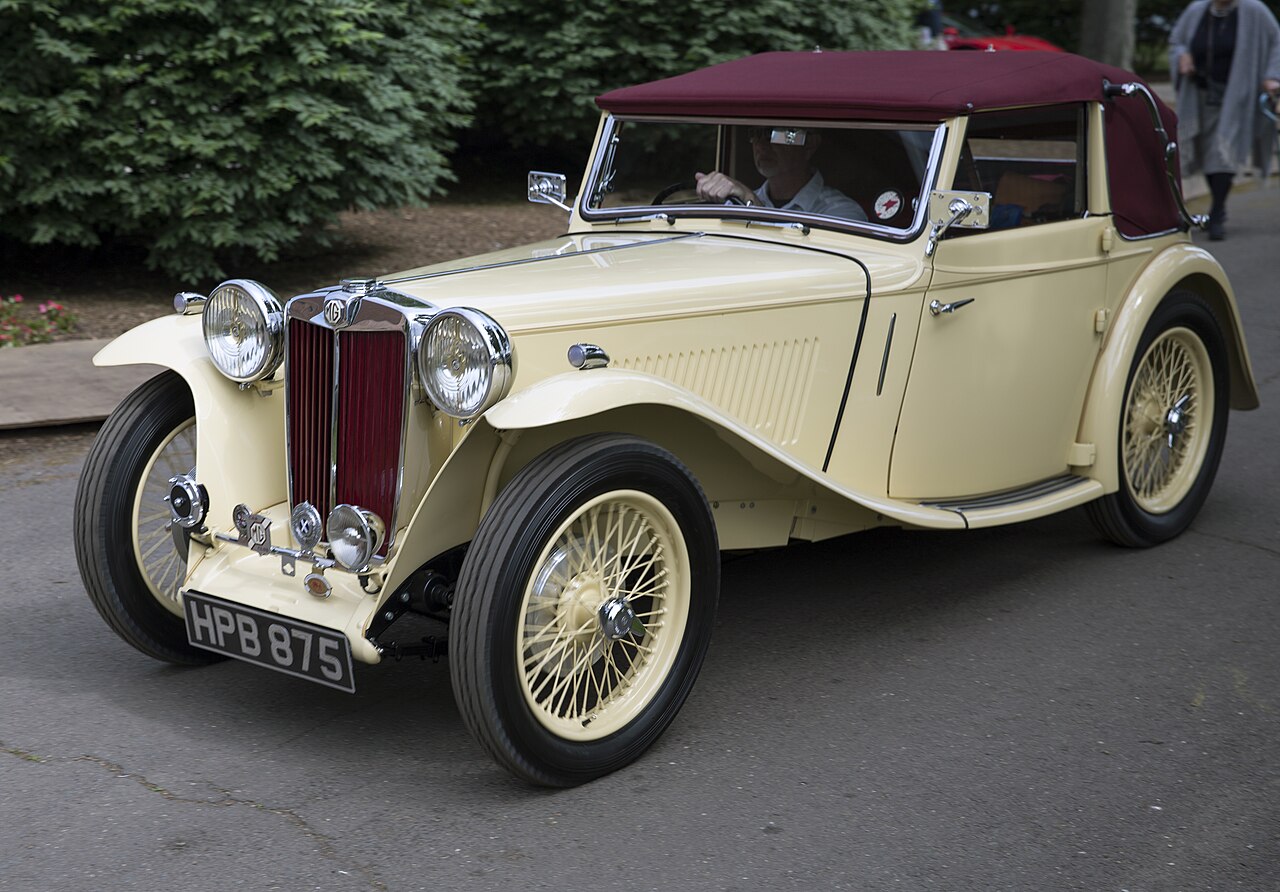
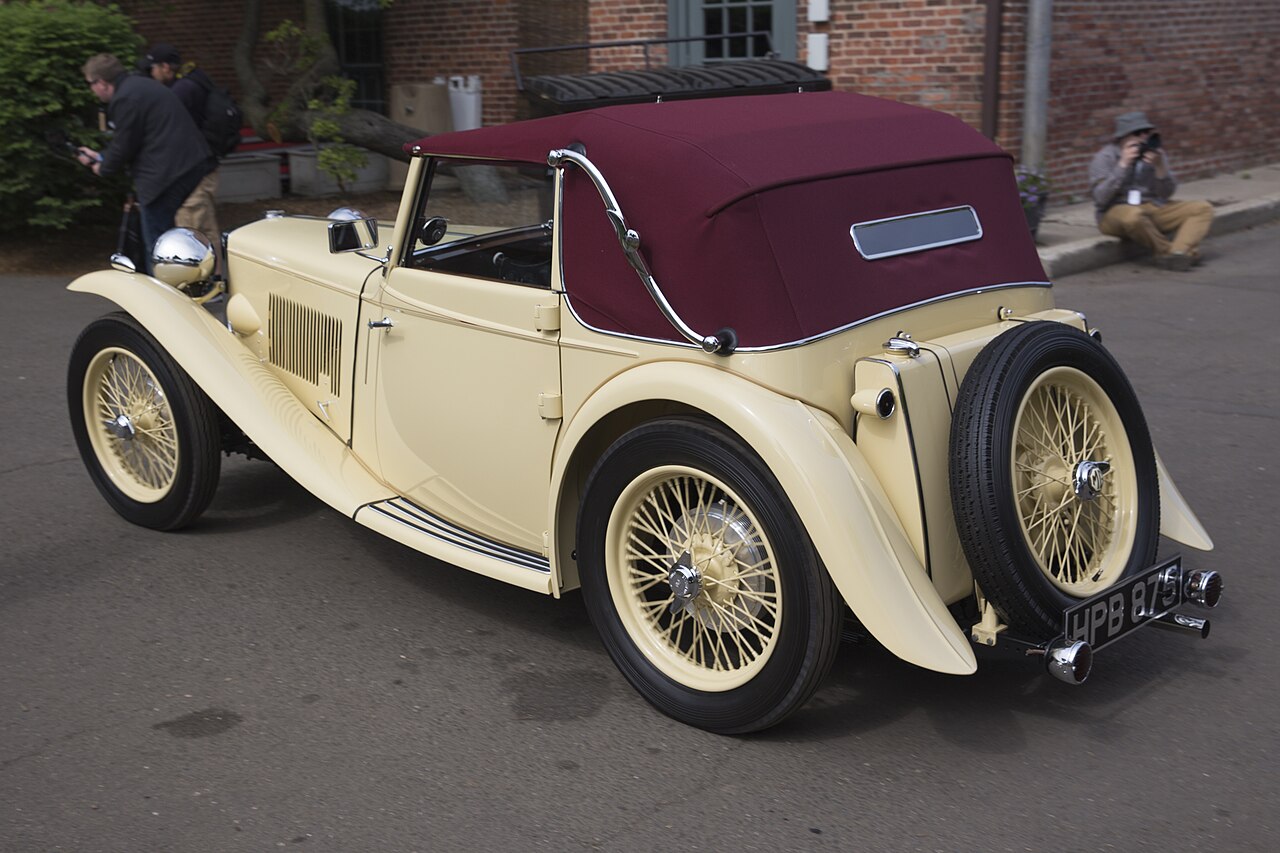
Its fame rests on the Tickford 'All Weather' body of 1925, a three-position drophead whose hood was raised and lowered by a handle inserted through the rear quarter panel — a genuinely novel piece of engineering that gave the brand its name. Through the 1930s Salmons built catalogued Tickford bodies for MG, Rover, Triumph, Vauxhall, Alvis, Lagonda and others. The family firm became Salmons and Sons Coachbuilders Ltd in 1939 and, after manager Ian Boswell bought it, was renamed Tickford Ltd in 1943.
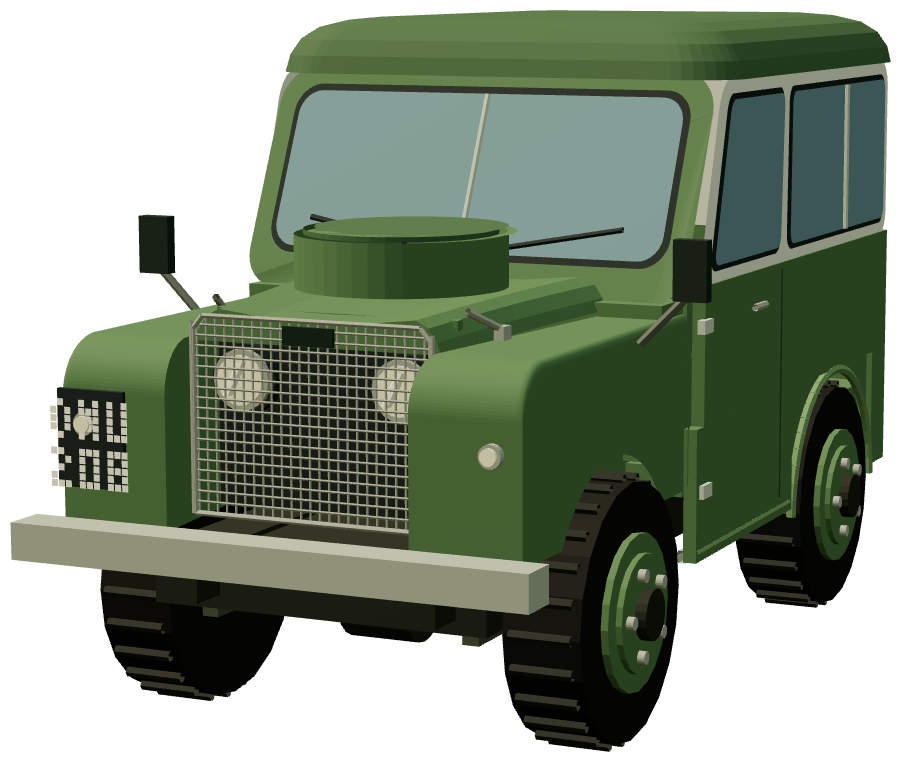
The Land Rover connection came almost immediately after the war. Rover contracted Tickford to design and build the first Land Rover Station Wagon, a seven-seat body of aluminium panels over a timber frame on the 80-inch Series I chassis, produced from 1948 to 1951. Because it was coachbuilt it was expensive, and because it was classed as a private car it attracted Purchase Tax; only around 650 were built, the great majority exported, and Land Rover's next station wagons of 1954 used in-house all-metal bodies.
Tickford's success with Lagonda bodies led David Brown, owner of Aston Martin and Lagonda, to buy the company in January 1955; Aston Martin production moved to the Tickford Street works, which built Astons until the marque's assembly transferred to Gaydon in 2007. The name was revived in 1981 for Aston Martin Tickford, an engineering consultancy at Milton Keynes responsible for the Tickford Capri, the Tickford Lagonda, the MG Metro Turbo and the Sierra RS500 Cosworth; it passed through CH Industrials and independence as Tickford Vehicle Engineering before the Tickford Group was bought by Prodrive in 2001, with the Australian arm rebranded Ford Performance Vehicles in 2002. Tickford Ltd itself was dissolved at Companies House in 2009. The name survives today on a Milton Keynes powertrain-testing business acquired by Intertek in 2013 and on Tickford Australia's Ford performance products — neither of them the original coachbuilder, whose independent existence effectively ended in 1955.
Imagery
Vehicles in this registry (1)


Sources & citations
- Tickford (Salmons & Sons of the 1820s; Tickford 'All Weather' body of 1925; Ian Boswell's 1943 purchase and renaming to Tickford Limited; David Brown's acquisition in late 1955; CH Industrials, Prodrive, Intertek; Tickford Australia today) ↗ — Wikipedia (accessed 2026-09-10)
- History (coachbuilding at Newport Pagnell from 1820 on the grounds of Tickford Abbey; Salmons from c.1830; Tickford All Weather 1925; catalogued Tickford bodies for MG, Rover, Triumph and Vauxhall; Tickford Limited 1943; David Brown January 1955; Aston Martin Tickford 1981; Prodrive 2001; Intertek 2012/13) ↗ — Tickford Owners Club (accessed 2026-09-10)
- Salmons and Sons (established Newport Pagnell 1830; Joseph Salmons and sons from 1869; motor bodies from c.1898; 300 employees in 1914, 450 and 30 bodies a week by the late 1930s; Tickford All-Weather 1925) ↗ — Grace's Guide to British Industrial History (accessed 2026-09-10)
- Land Rover series — Station Wagons (Tickford-built seven-seat 80-inch Station Wagon, 1948-1951, aluminium on ash frame, subject to Purchase Tax, ~650 built) ↗ — Wikipedia (accessed 2026-09-10)
- Tickford Works (1955-2007) (David Brown's purchase and the use of the Tickford Street works for Aston Martin and Lagonda production) ↗ — AstonMartins.com (accessed 2026-09-10)
Maker record updated 2026-09-10T04:48:16.012Z · status: researched