Marshall of Cambridge
Cambridge engineering group founded in 1909 that grew from a chauffeur-drive garage into an aerospace business and one of Britain's largest special-vehicle bodybuilders. Its Cambridge works built the box bodies for the British forces' Land Rover field ambulances from the early 1960s through to the Defender 130 'Pulse' of the late 1990s.
History
David Gregory Marshall started the business on 1 October 1909 as the Brunswick Motor Car Company, a chauffeur-drive operation run from a lock-up garage in Brunswick Gardens, Cambridge. It moved to Jesus Lane in 1912 and became Marshall's Garage Ltd, adding car sales and servicing. Aviation arrived almost by accident the same year, when Marshall mechanics helped repair the engine of the Army airship Beta II after it came down on nearby Jesus Green; a flying school followed at Fen Ditton in 1930 and the firm opened what is now Cambridge Airport in 1937. During the Second World War Marshall trained more than 20,000 aircrew and repaired over 5,000 military aircraft.
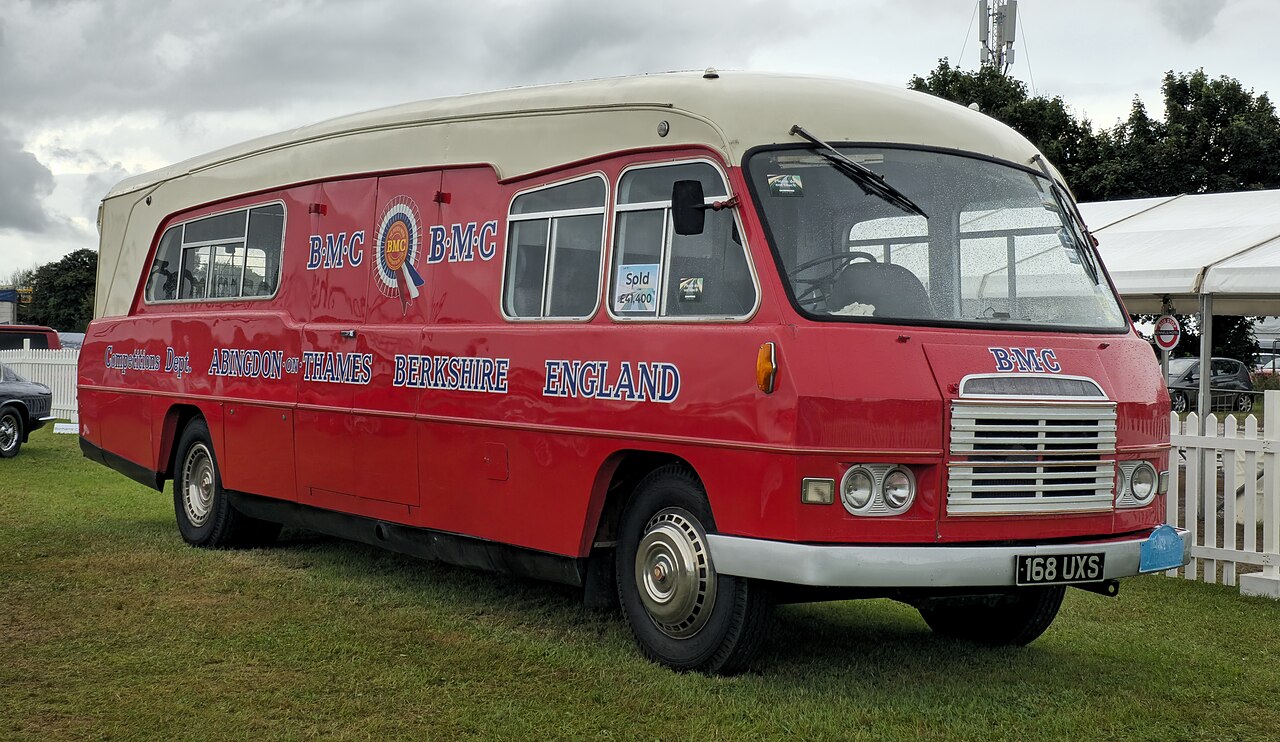
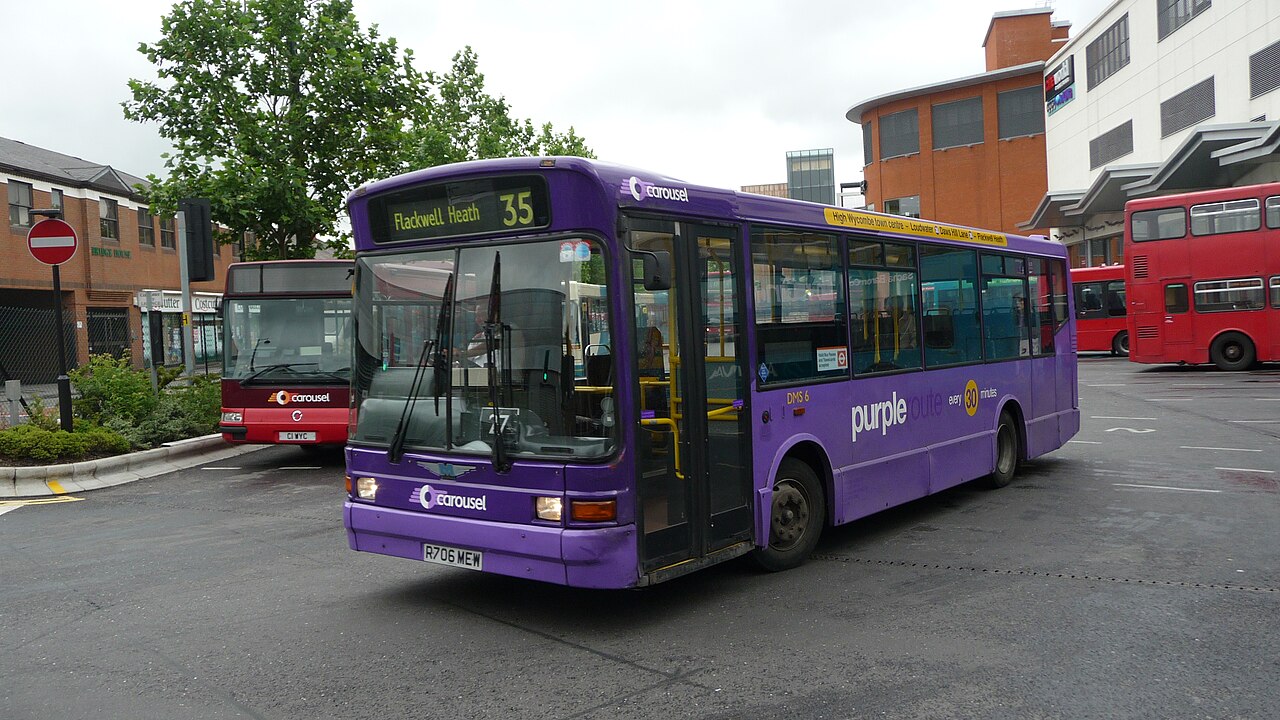
The vehicle-body business that concerns this registry was formally established in 1946. Alongside aircraft work the Cambridge factory built bus and coach bodies, 'Black Maria' prison vans for the Metropolitan Police, BBC outside-broadcast vehicles, radar vans, mobile workshops and ambulances, and refurbished London Transport buses. The division traded latterly as Marshall Special Purpose Vehicles / Marshall SV and, by the group's own account, produced tens of thousands of vehicle bodies and thousands of transportable military shelters for the Ministry of Defence. The bus-bodying arm was separated as Marshall Bus, sold in a management buy-out in 2001, and collapsed into administration in 2002; the design rights to its Capital single-deck body passed to MCV Bus and Coach.
Marshall's Land Rover work spans four decades. The MoD's FV18044 'Ambulance, 2-stretcher, 4x4, Rover 7' was first built by Mickleover Transport in 1961-62, but Marshall took over and became the dominant supplier, mounting its raised, air-portable ambulance body on 109-inch Series II/IIA and Series III chassis — roughly 2,000 in all, in Army green and in RAF blue-grey crash-rescue form. The line continued into the Defender era: Marshall designed and built the insulated four-stretcher box body for the Project Pulse Defender 130 XD battlefield ambulance contracted in January 1996, of which around 800 were delivered.
The group still trades as Marshall Group from Cambridge Airport, but has divested most of its historic operations: Marshall Motor Group (the dealership chain) went in 2022, Marshall Land Systems — the successor to the special-vehicles and shelter business — was sold to Flowing River Capital in November 2025, and in September 2026 the group agreed the sale of Marshall Aerospace to Aurelius Group, subject to regulatory approval.
Imagery


Vehicles in this registry (7)
-
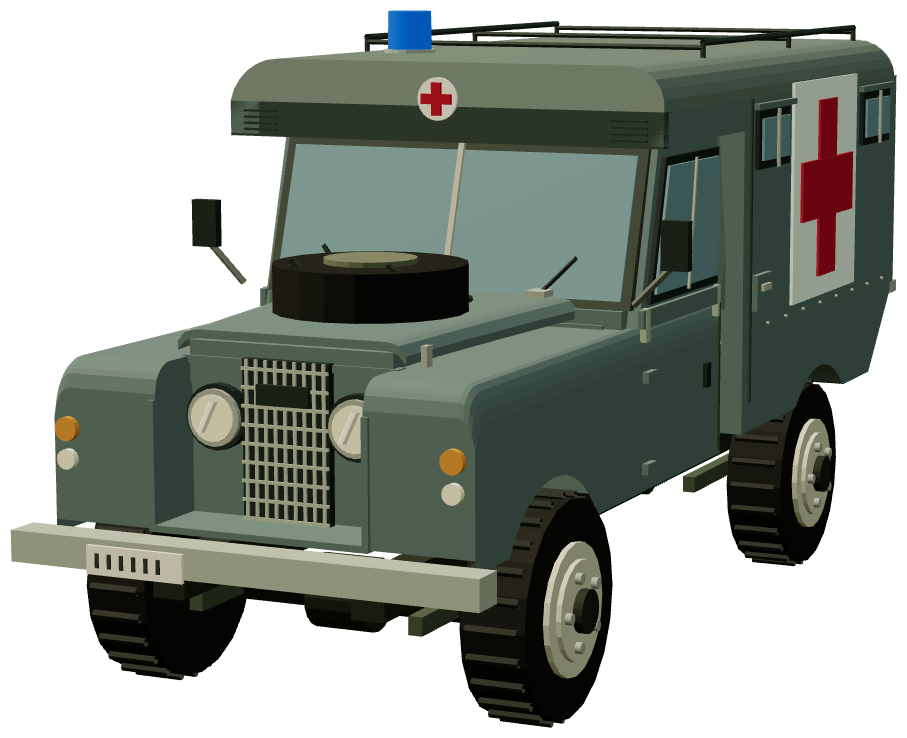 UK Marshal Body Ambulance Series II · 109″ · UK medical body · converted
 -
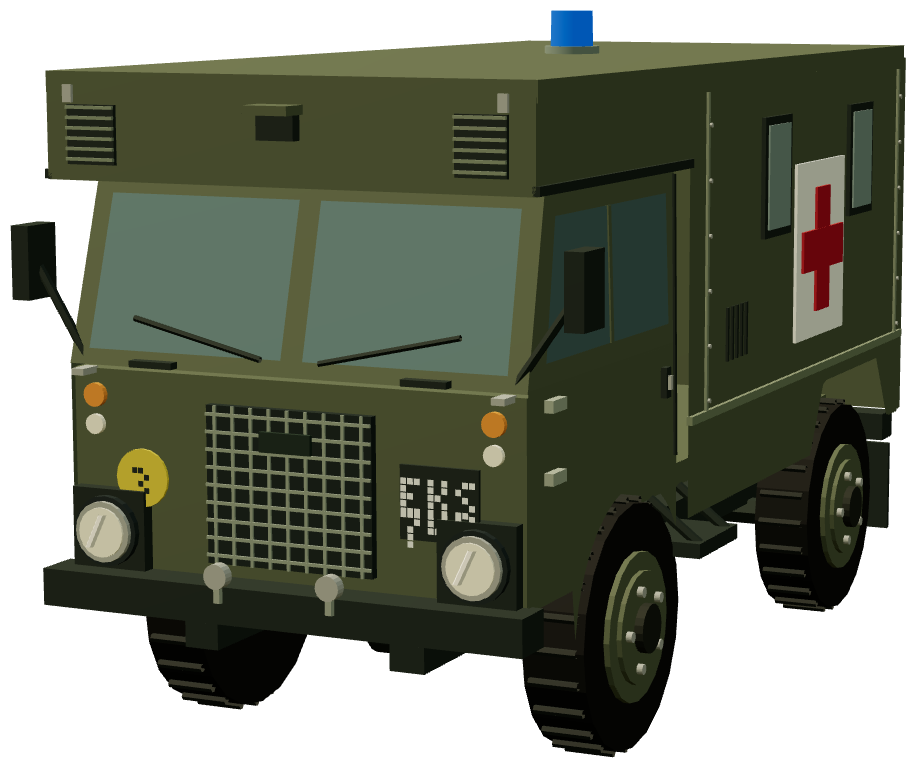 101 Forward Control Ambulance Cab-over · Medical body · converted
 -
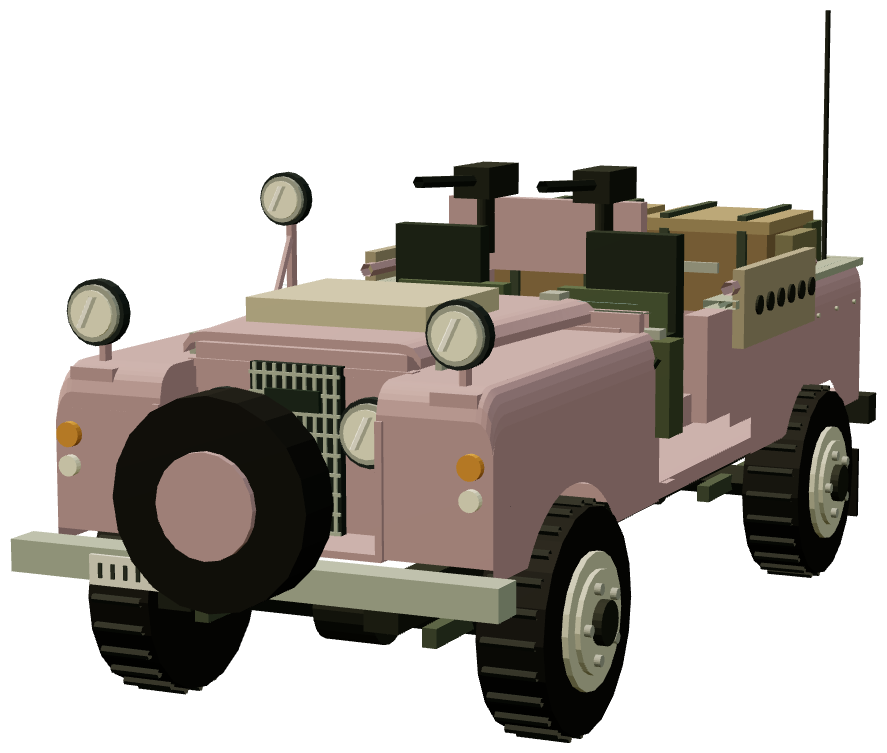 SAS Series IIA Pink Panther 109″ · Pink patrol vehicle · converted
 -
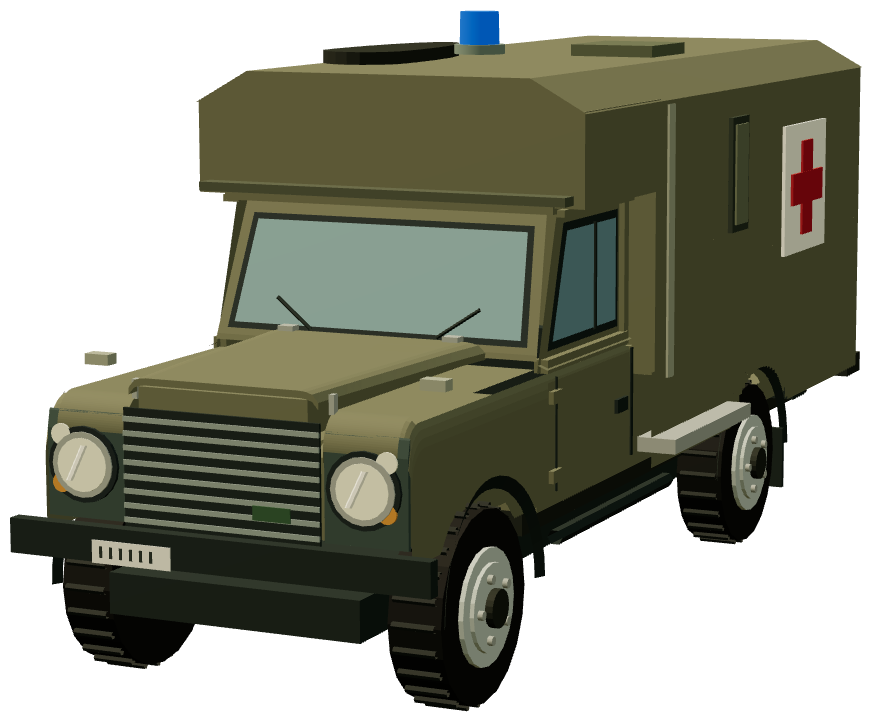 Wolf Ambulance UK military · Extended medical body · converted
 -
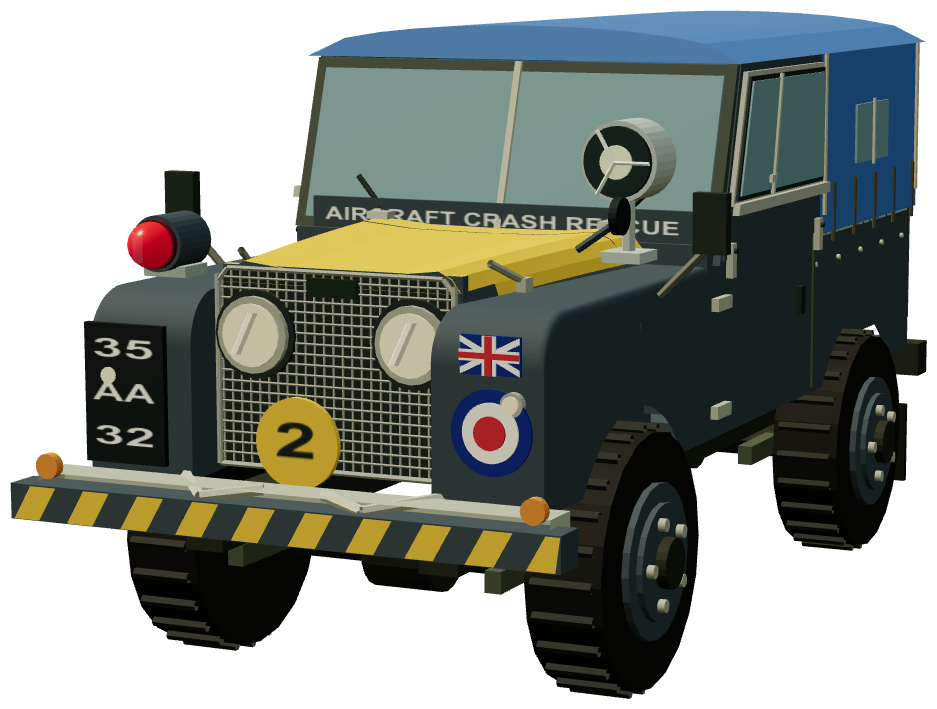 RAF Crash Rescue Series I 88″ · Blue canvas · Aircraft crash rescue · converted
 -
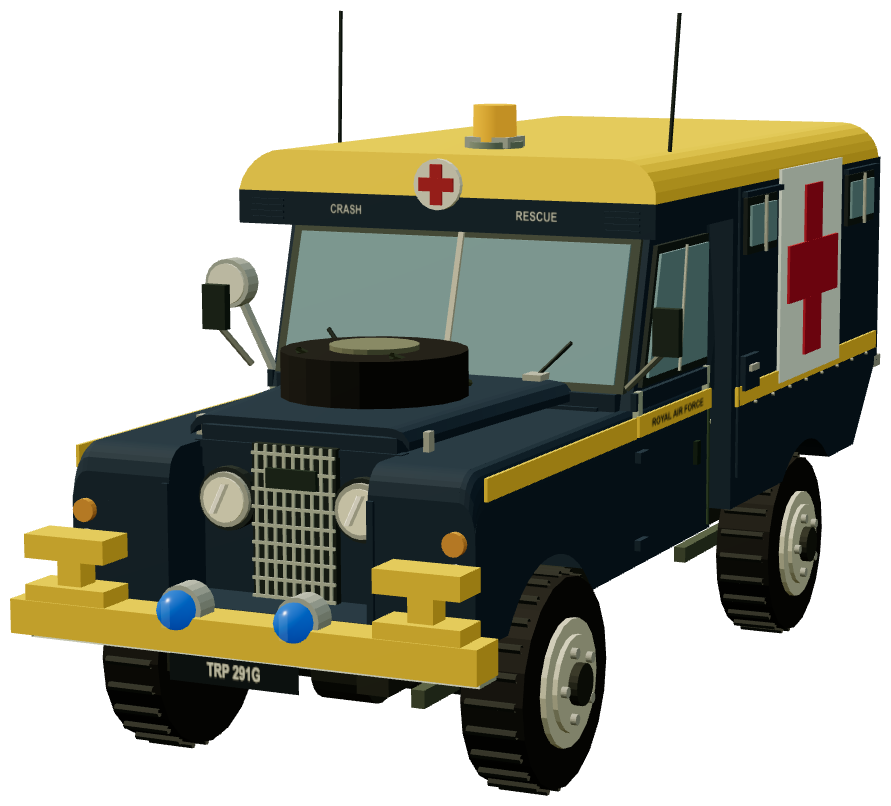 RAF Crash Rescue Marshall Ambulance Series IIA 109″ · Marshall body · Royal Air Force crash rescue · converted
 -
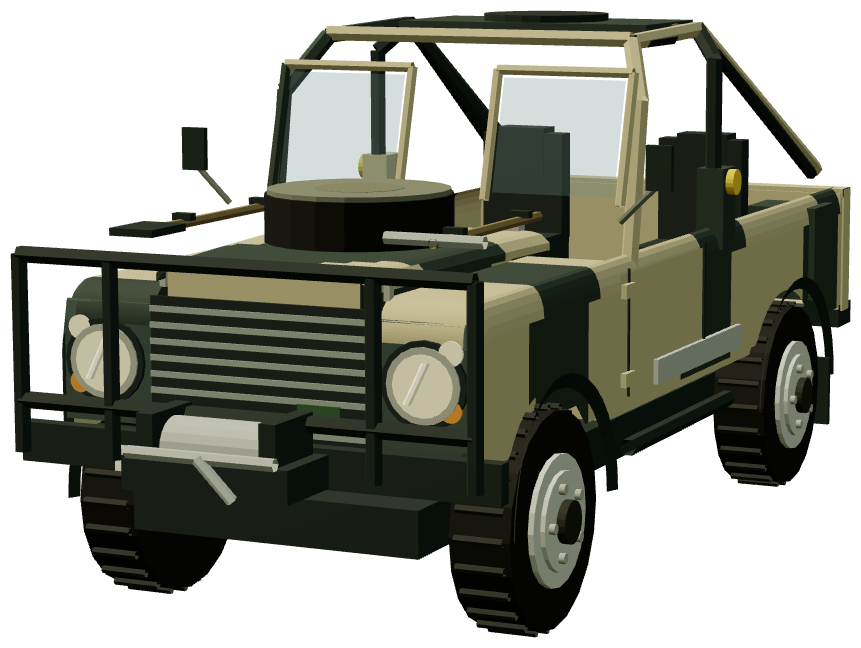 110 Special Operations Vehicle demonstrator Roll structure; open body; extensive military stowage and mounts. · converted
Sources & citations
- Marshall Group (founded 1 October 1909 by David Gregory Marshall; Brunswick Gardens garage; Beta II airship repair 1912; flying school 1930; Cambridge Airport 1937; wartime training and repair; current divisions and divestments) ↗ — Wikipedia (accessed 2026-09-10)
- Marshall of Cambridge (chauffeur-drive origins; Marshall's Garage Ltd 1914; vehicle bodies division established 1946 — Black Marias for the Metropolitan Police, BBC vehicles, buses, ambulances, radar vans; Marshall Specialist Vehicles) ↗ — Grace's Guide to British Industrial History (accessed 2026-09-10)
- Marshall Bus (Cambridge bus and coach bodybuilder; management buy-out 2001; administration 2002; Capital body design rights to MCV) ↗ — Wikipedia (accessed 2026-09-10)
- Military Land Rover Ambulances (Mickleover Transport built the first FV18044 in 1961-62; subsequent vehicles produced by Marshall's of Cambridge; ~2,000 first-generation bodies) ↗ — Ex-Military Land Rover Association (EMLRA) (accessed 2026-09-10)
- Marshall Land Systems acquired by Flowing River Capital Partners (sale completed 21 November 2025) ↗ — Marshall Group (accessed 2026-09-10)
- Marshall Aerospace agrees sale to private equity firm Aurelius Group (September 2026; Marshall Motor Group sold 2022, Land Systems November 2025) ↗ — Cambridge Independent (accessed 2026-09-10)
Maker record updated 2026-09-10T04:48:16.005Z · status: researched