JRA Limited (Jaguar Rover Australia)
The Australian successor to Leyland Motor Corporation of Australia, formed in the early 1980s to distribute Jaguar, Rover, Land Rover and Peugeot and to build buses. Its Moorebank plant in New South Wales manufactured and assembled the Australian Army's Perentie 4x4 and 6x6 Land Rovers from the mid-1980s until receivers were appointed in 1992 and the line closed.
History
Leyland's Australian operation collapsed as a car maker in the 1970s, and its remains passed to a new company: Jaguar Rover Australia Ltd — JRA Limited — which took over the assets and responsibilities of Leyland Motor Corporation of Australia Ltd. Sources disagree on when, one Leyland history giving March 1982 and Perentie accounts March 1983, sometimes describing the change as a management buy-out of the troubled Leyland Australia; that discrepancy is recorded here rather than resolved. JRA ran as four divisions — JRA Cars, distributor for Jaguar, Rover, Range Rover and Peugeot; Land Rover Australia, which assembled Land Rovers from component kits; JRA Bus and Coach, a bus and coach builder that also imported Hino and Leyland chassis; and JRA Parts. It inherited Leyland's Australian body plants, among them Pressed Metal Corporation at Enfield in Sydney, the works that had assembled Australia's Land Rovers since the 1950s. JRA Holdings bought the company's shares in February 1987 for A$66.6 million.
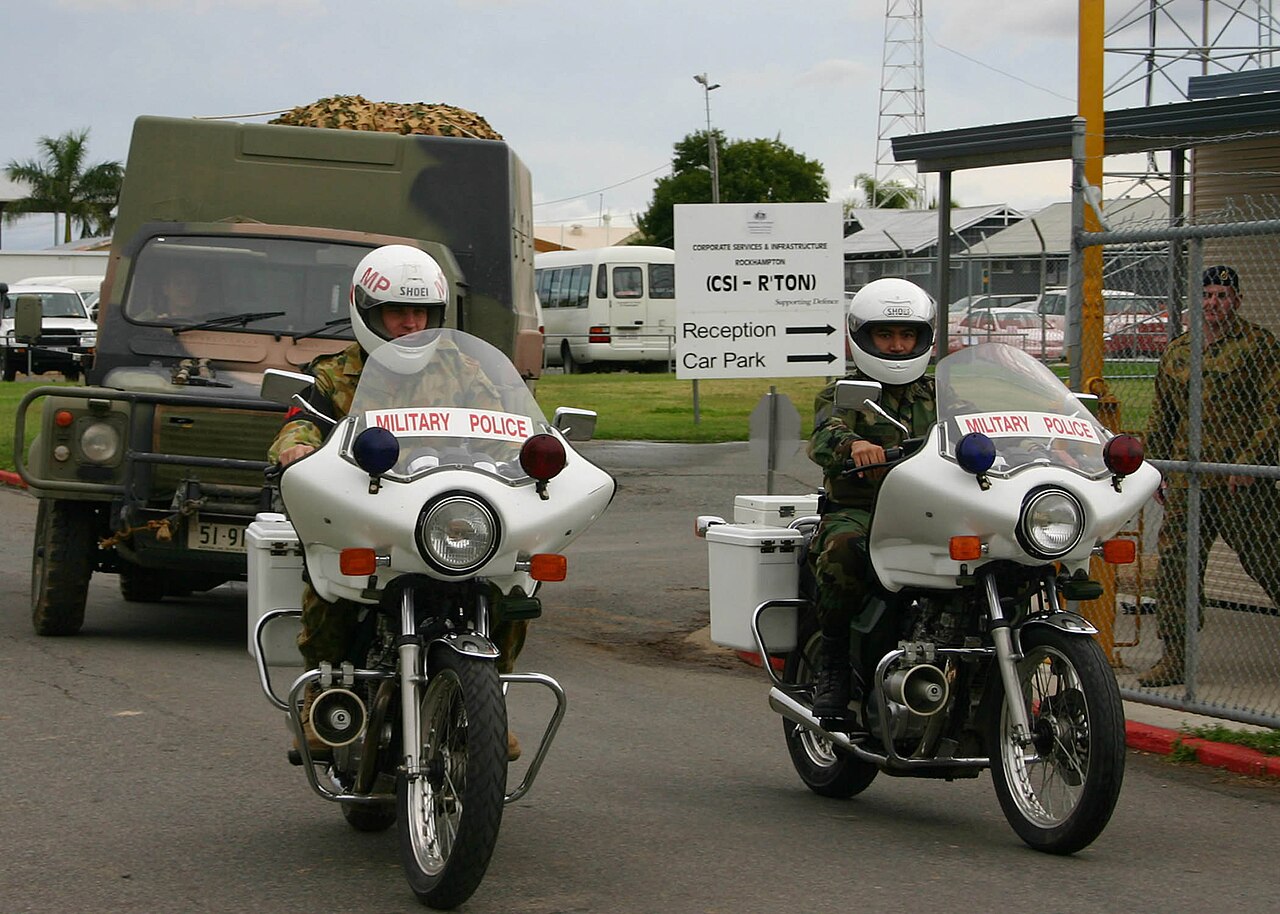
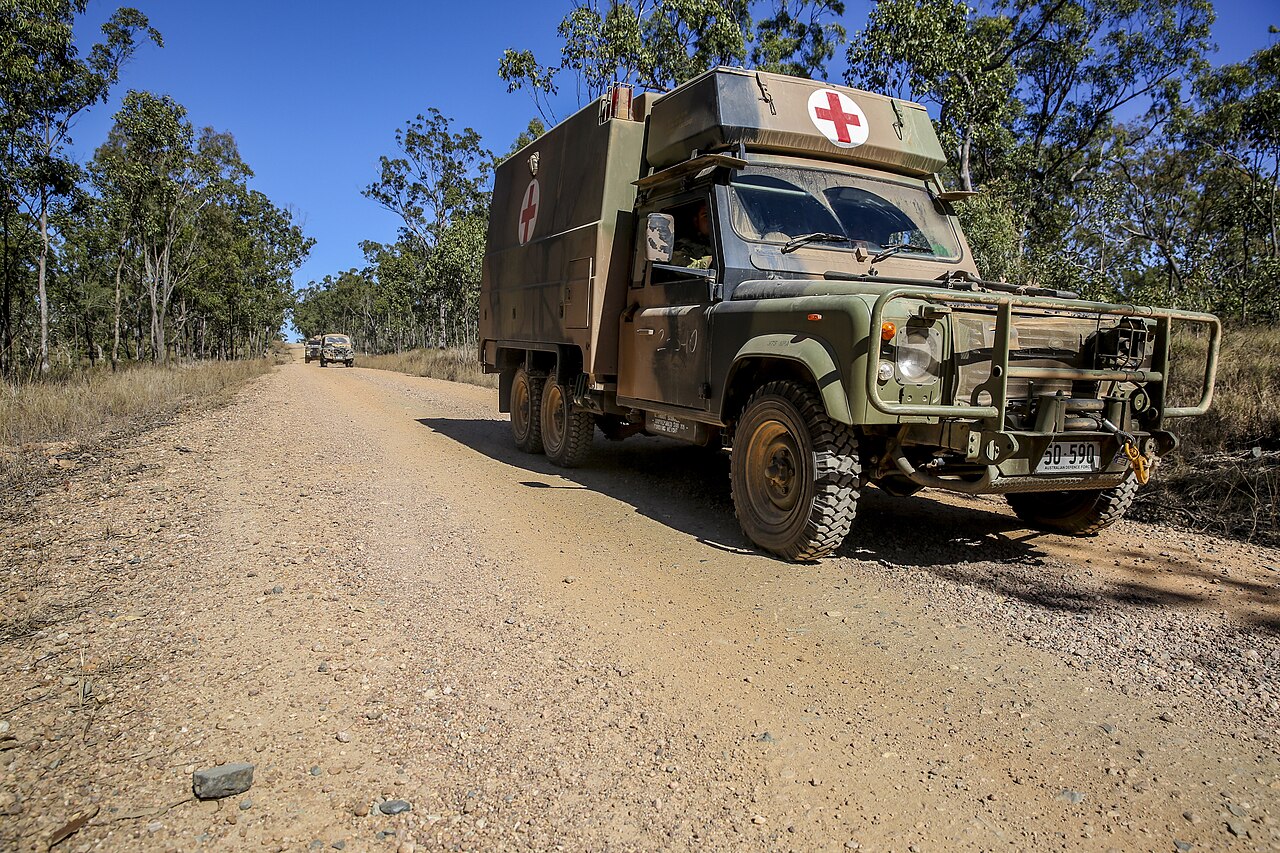
JRA's place in Land Rover history rests on Project Perentie. Bidding against Mercedes-Benz, Jaguar Rover Australia won the Australian Army's replacement light-vehicle contract and was selected to supply 2,500 one-tonne 4x4s and 400 two-tonne 6x6s — the Land Rover 110-based vehicles named after the perentie, Australia's largest monitor lizard. Part manufacture and final assembly were done at Moorebank in south-western Sydney, to a specification substantially re-engineered for Australian service: a hot-dip galvanised chassis, the Isuzu 4BD1 (and turbocharged 4BD1-T) diesel engine in place of Solihull's units, high local content, and for the 6x6 a widened chassis with twin rear axles and helicopter lift points. Production ran from the mid-1980s — 4x4 deliveries from about 1986-87, 6x6s from March 1989 — and fibreglass body modules were moulded in Australia by JAKAB Industries.
The company did not outlive the contract. With a year still to run, JRA ran into financial trouble and receivers were appointed in June 1992. Rover took over the assets, wanting the Australian arm to become simply an importer of British-built vehicles, but the Perentie contract required Australian assembly and support, so Land Rover re-established Rover Australia Pty Ltd as a wholly owned subsidiary to finish the job. The Moorebank assembly plant closed on 30 September 1992. A further batch of Perenties was built under licence by British Aerospace Australia between 1996 and 1998.
What was left was broken up. The bus and coach businesses — Austral, Denning and the Pressed Metal Corporation works — were sold to the listed Clifford Corporation in July 1996; Clifford collapsed in November 1998 and was wound up, taking Pressed Metal Corporation down with it in April 1999. No JRA vehicle-building business survives; the Perentie fleet was retired from Australian Defence Force service from around 2012 in favour of the Mercedes-Benz G-Wagon.
Imagery


Vehicles in this registry (13)
-
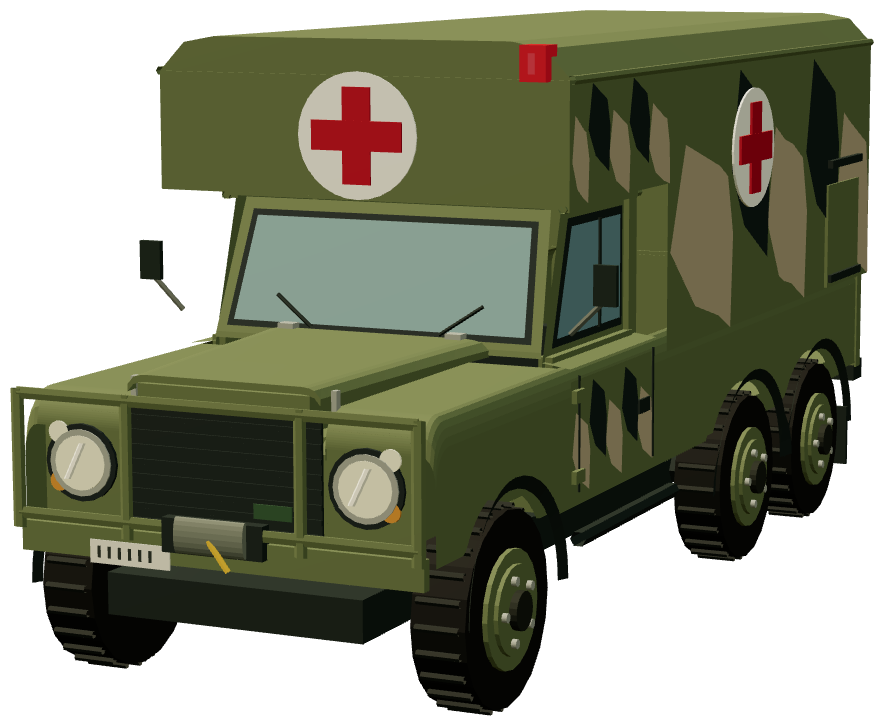 Perentie 6×6 Ambulance Three axles · Medical body · built
 -
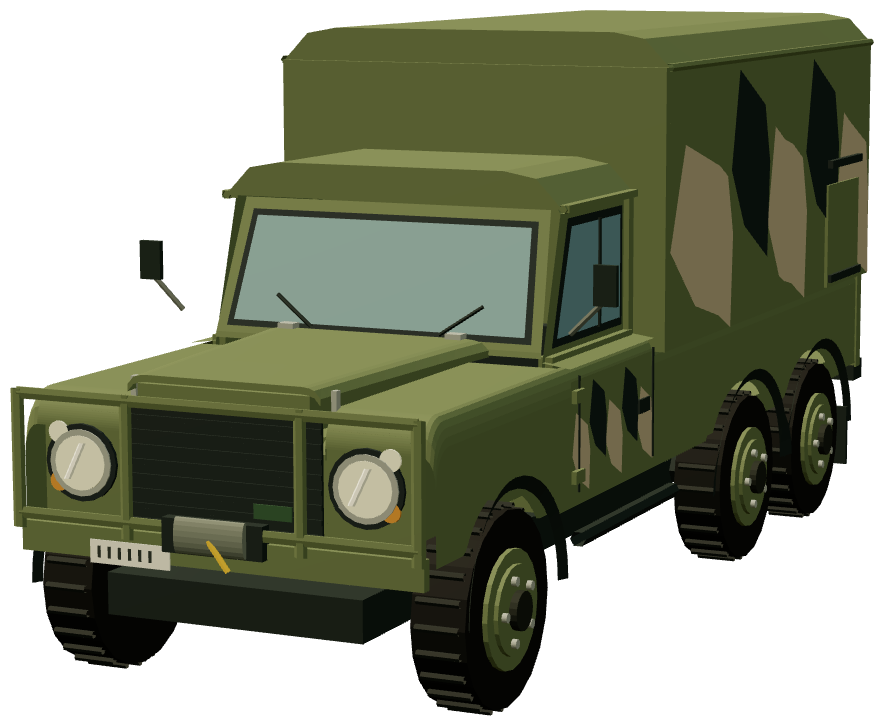 Perentie 6×6 Hard Top Three axles · Enclosed body · built
 -
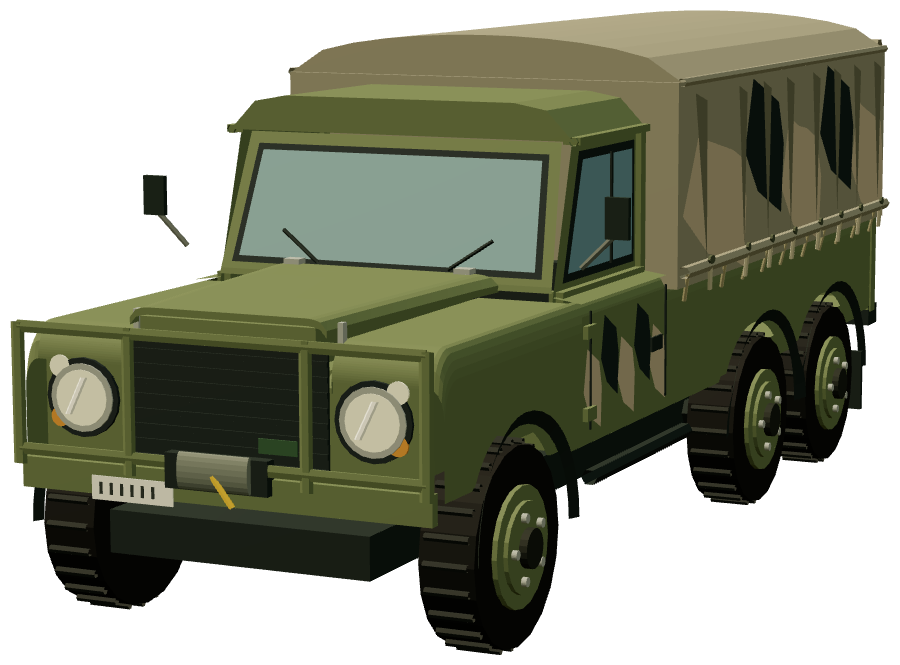 Perentie 6×6 Canvas Three axles · Canvas canopy · built
 -
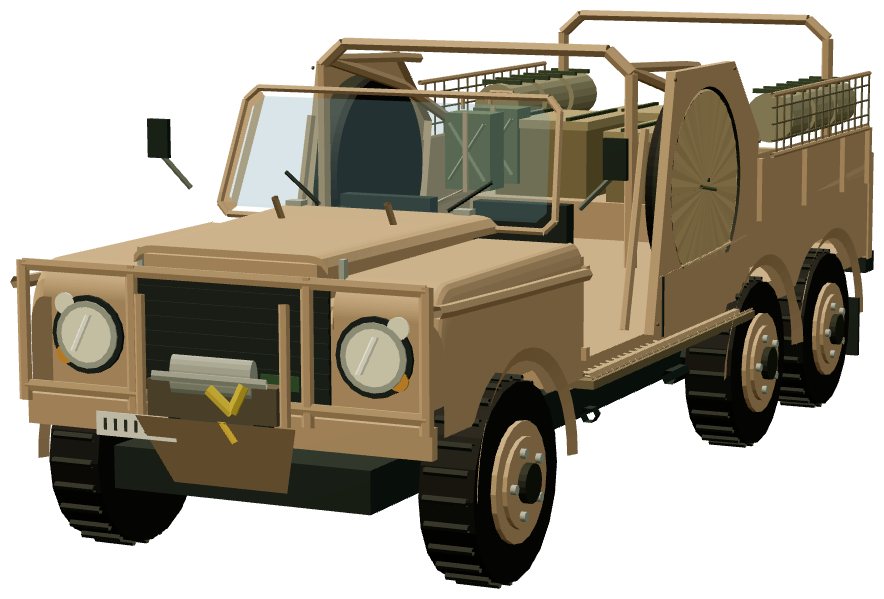 LRPV 6×6 Open patrol vehicle · Fixed build · built
 -
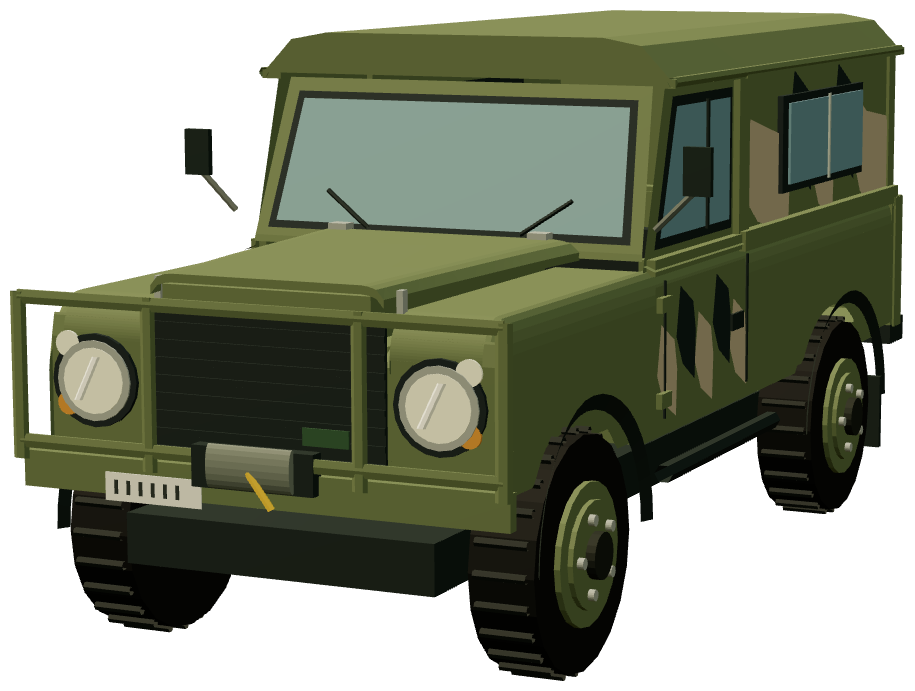 Perentie 4×4 Hard Top Military 4×4 · Hard top · built
 -
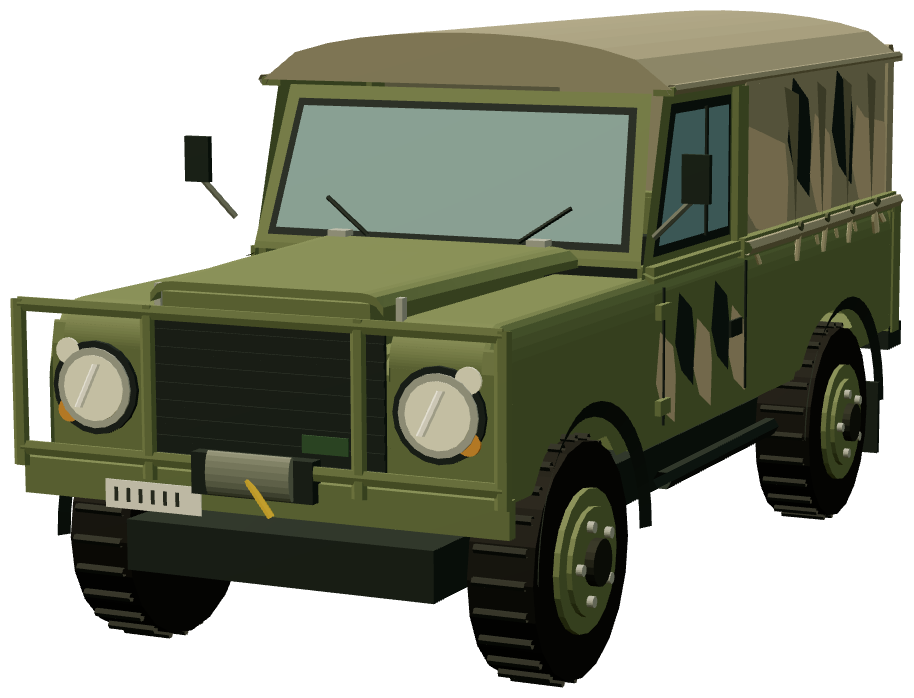 Perentie 4×4 Canvas Military 4×4 · Canvas · built
 -
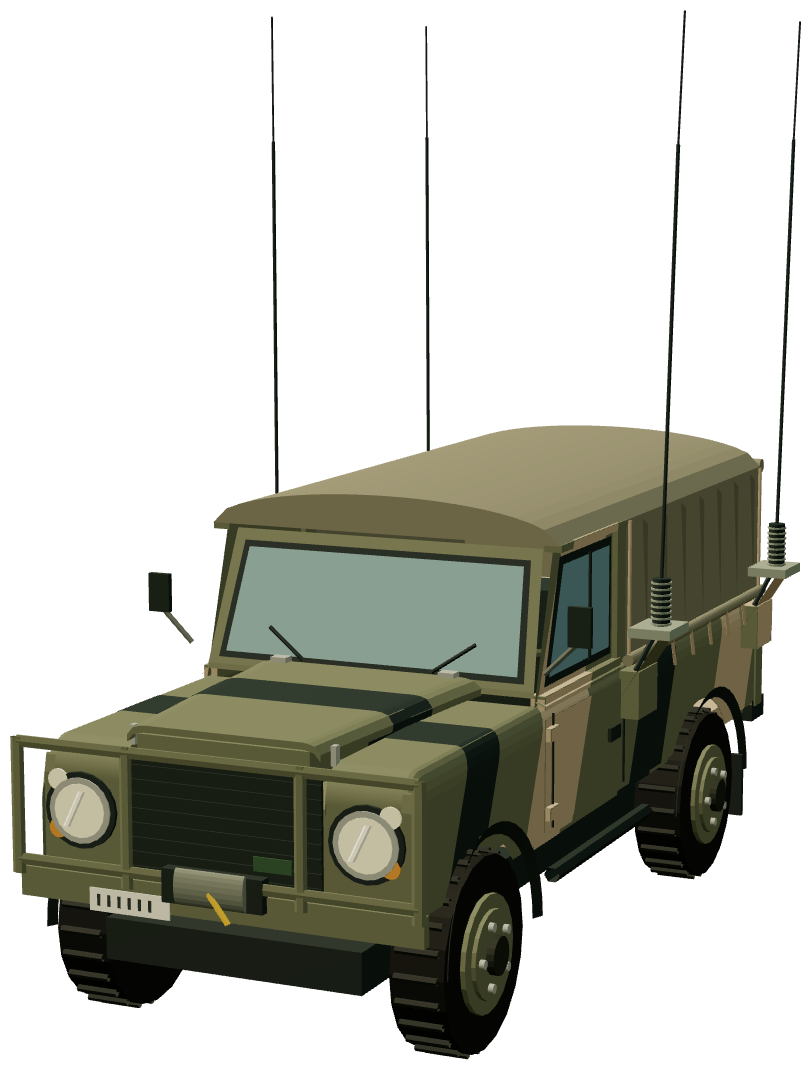 FFR Perentie 4×4 · Fitted For Radio · Four aerials · built
 -
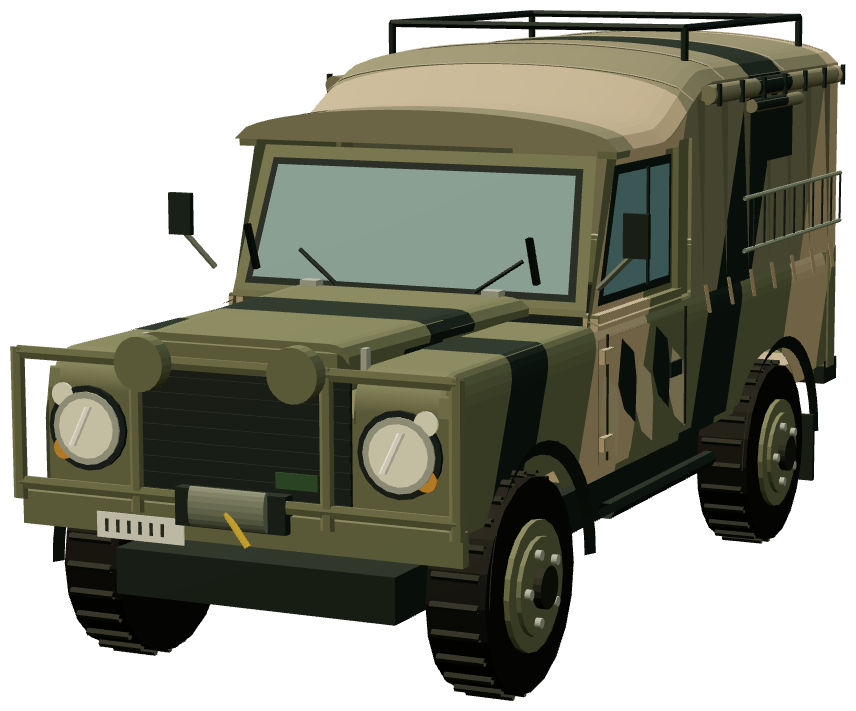 SRV Perentie 4×4 · Tall canvas · Twin rear spare tyres · built
 -
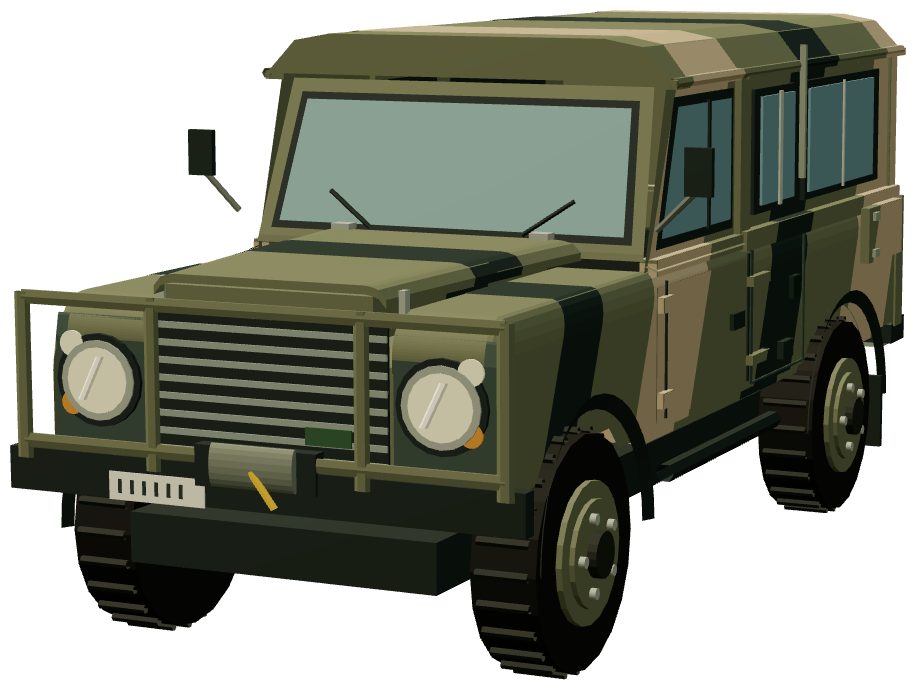 Personnel Carryall Perentie 4×4 · 110 station wagon · built
 -
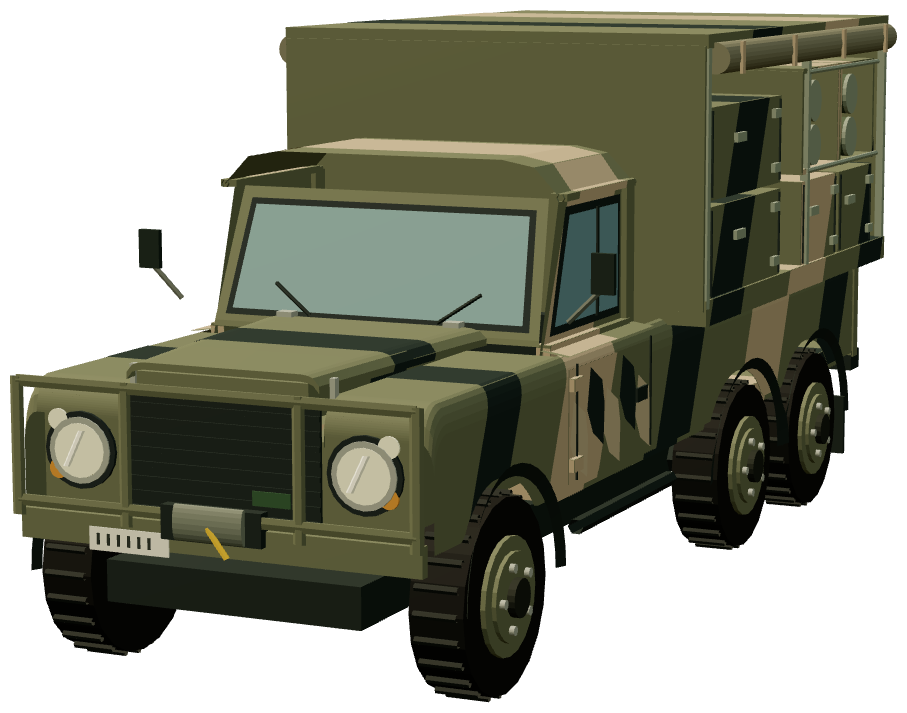 Perentie 6×6 Air Defence Box-bodied missile and equipment carrier · built
 -
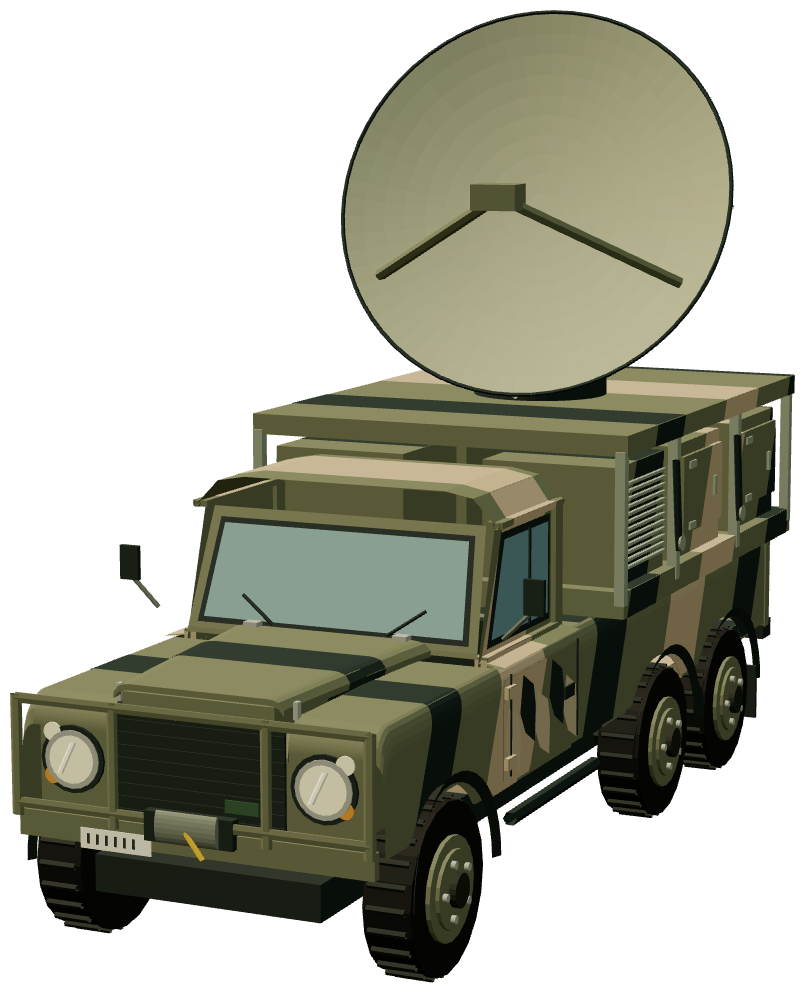 Perentie 6×6 Parakeet Communications · Rotating satellite dish · built
 -
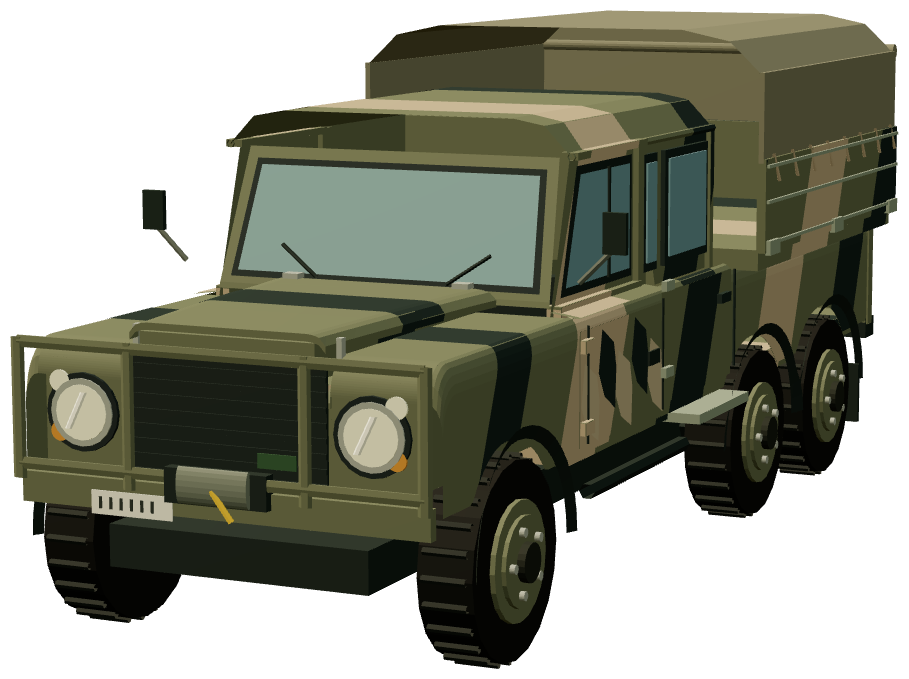 Perentie 6×6 Dual Cab Four-door crew cab · Canvas rear tray · built
 -
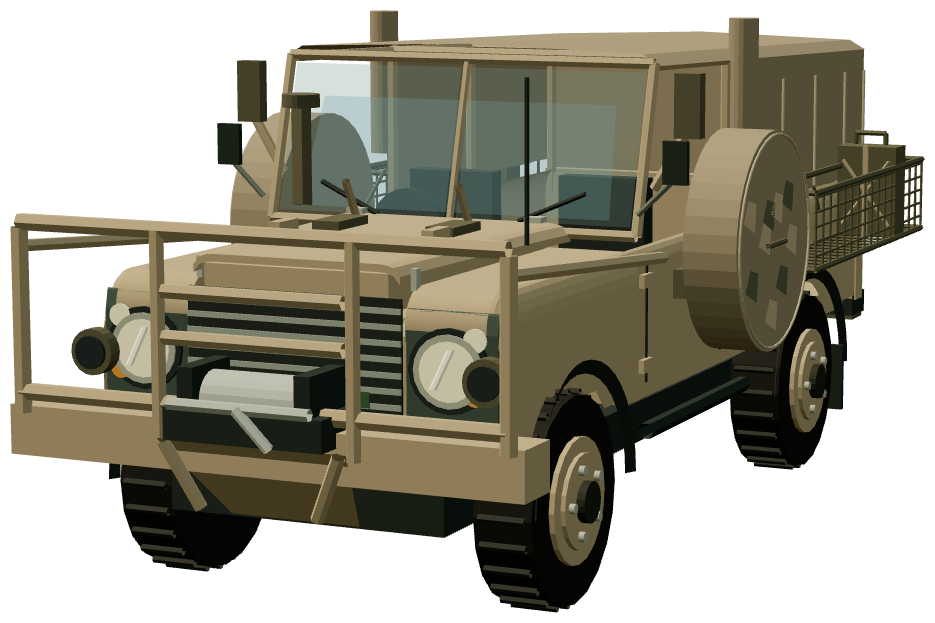 SRV(SF) 110″ · Special Reconnaissance Vehicle · Canvas patrol body · built
Sources & citations
- Land Rover Perentie (produced by JRA Limited at Moorebank, New South Wales during the 1980s and 1990s; original orders of 2,500 4x4 and 400 6x6 vehicles; two build contracts) ↗ — Wikipedia (accessed 2026-09-10)
- Leyland Australia company history (March 1982: Jaguar Rover Australia Ltd took over all the assets and responsibilities of Leyland Motor Corporation Australia Ltd; four divisions — JRA Cars, Land Rover Australia, JRA Bus and Coach, JRA Parts; JRA Holdings bought the shares in February 1987 for $66.6 million; receivers appointed June 1992; remaining assets to Clifford Corporation, wound up late 1998) ↗ — Leyland Cars Australia (accessed 2026-09-10)
- Project Perentie (JRA formed in 1983 following a management buy-out of Leyland Australia; project led by George Fowler of JRA Limited at Moorebank; 2,500 4x4 and 400 6x6 built; 1991 financial trouble; Rover took over the assets and re-established Rover Australia Pty Ltd; Moorebank plant closed 30 September 1992) ↗ — Key Military (accessed 2026-09-10)
- Ex-military Land Rover 110 Perentie 6x6 (produced for the ADF between May 1986 and September 1992, and by British Aerospace Australia under licence 1996-98; fibreglass body moulds by JAKAB Industries) ↗ — 4X4 Australia (accessed 2026-09-10)
- Pressed Metal Corporation (Enfield works included in JRA Limited's bus business sale to Clifford Corporation, July 1996; closed April 1999 after Clifford's collapse) ↗ — Wikipedia (accessed 2026-09-10)
Maker record updated 2026-09-10T04:48:16.005Z · status: researched